












Starting a supplement brand is easier than ever in 2026. Starting small-scale supplement manufacturing the right way is a different story.
Many new brands begin with a great formula idea, strong market demand, and a clear vision for growth. But once it is time to move from concept to actual production, the same questions always come up: What equipment do I need? How much budget should I prepare? Should I manufacture in-house or outsource first? And how do I build a setup that can grow with my business?
This guide breaks down the process step by step. Whether you are launching your first capsule product, moving away from contract manufacturing, or planning a small GMP-ready setup, this article will help you understand how to start small-scale supplement manufacturing in a practical, scalable way.
What Is Small-Scale Supplement Manufacturing?
Small-scale supplement manufacturing usually means producing supplements in modest batch sizes with equipment and workflows designed for startups, niche brands, pilot production, or growing companies that are not yet ready for a full industrial line.
In most cases, this includes:
- Capsule-based products instead of more complex dosage forms
- Low-to-medium batch volumes
- A small production room or light industrial space
- Manual or semi-automatic equipment
- A staged investment approach instead of buying a full automated line on day one
For most new supplement brands, capsules are the easiest place to start. They require less complex equipment than tablets or gummies, allow flexible formulations, and make it easier to begin with a manageable budget.
Step 1: Decide Whether to Manufacture In-House or Outsource First
Before buying any equipment, the first decision is strategic: Should you start production yourself, or use a contract manufacturer first?
In-House Manufacturing Makes Sense If:
- You want more control over formulation, scheduling, and inventory
- You plan to test small batches frequently
- You want to protect your process or product know-how
- You are building a long-term manufacturing capability, not just a one-time product launch
Outsourcing Makes Sense If:
- You want the fastest route to market
- You do not yet have a team or facility
- Your budget is better spent on branding and sales first
- You are still validating market demand before investing in equipment
Many brands use a hybrid approach: outsource at the beginning, then gradually bring part of the process in-house once sales become more predictable.
If your goal is to create a more independent and scalable business over time, building a small in-house capability is often the smarter long-term move.
Step 2: Start with the Right Product Format
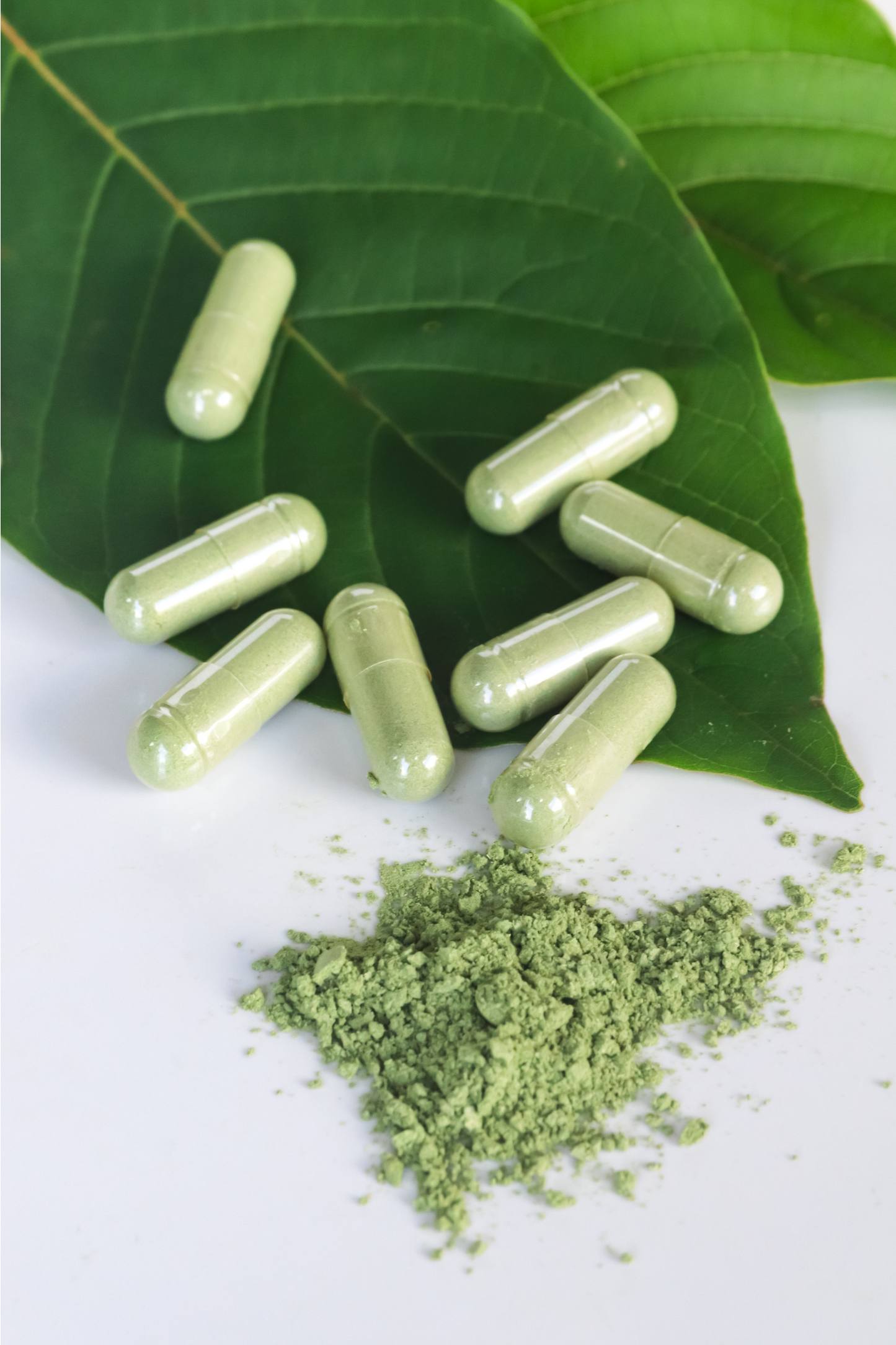
If you are entering supplement manufacturing for the first time, capsules are usually the most practical format to begin with.
Why capsules?
- They are easier to produce than tablets
- They require fewer machines than full bottling and tableting systems
- They work well for powders, herbs, blends, and many nutraceutical ingredients
- They allow startups to begin with manual or semi-automatic production before scaling up
Capsules also give you flexibility in positioning. You can launch with:
- Gelatin capsules
- HPMC vegetarian capsules
- Pullulan vegan capsules
- Different capsule sizes depending on your formula and serving size
For most small brands, a capsule-based production setup is the best entry point into small-scale supplement manufacturing.
Need capsules for your setup? Shop bulk empty capsules here.
Step 3: Estimate Your Production Volume Before Buying Equipment
One of the biggest mistakes new brands make is buying equipment before calculating their actual production needs.
Start with three simple questions:
- How many bottles do you want to produce per batch?
- How many capsules are in each bottle?
- How often will you run production?
For example:
- 500 bottles per batch
- 60 capsules per bottle
- = 30,000 capsules per batch
Now you can begin matching the right equipment to your output target.
This step is critical because the right machine is not just about price. It is about choosing a setup that fits your current volume without blocking your next stage of growth.
Step 4: Choose the Right Capsule Filling Equipment
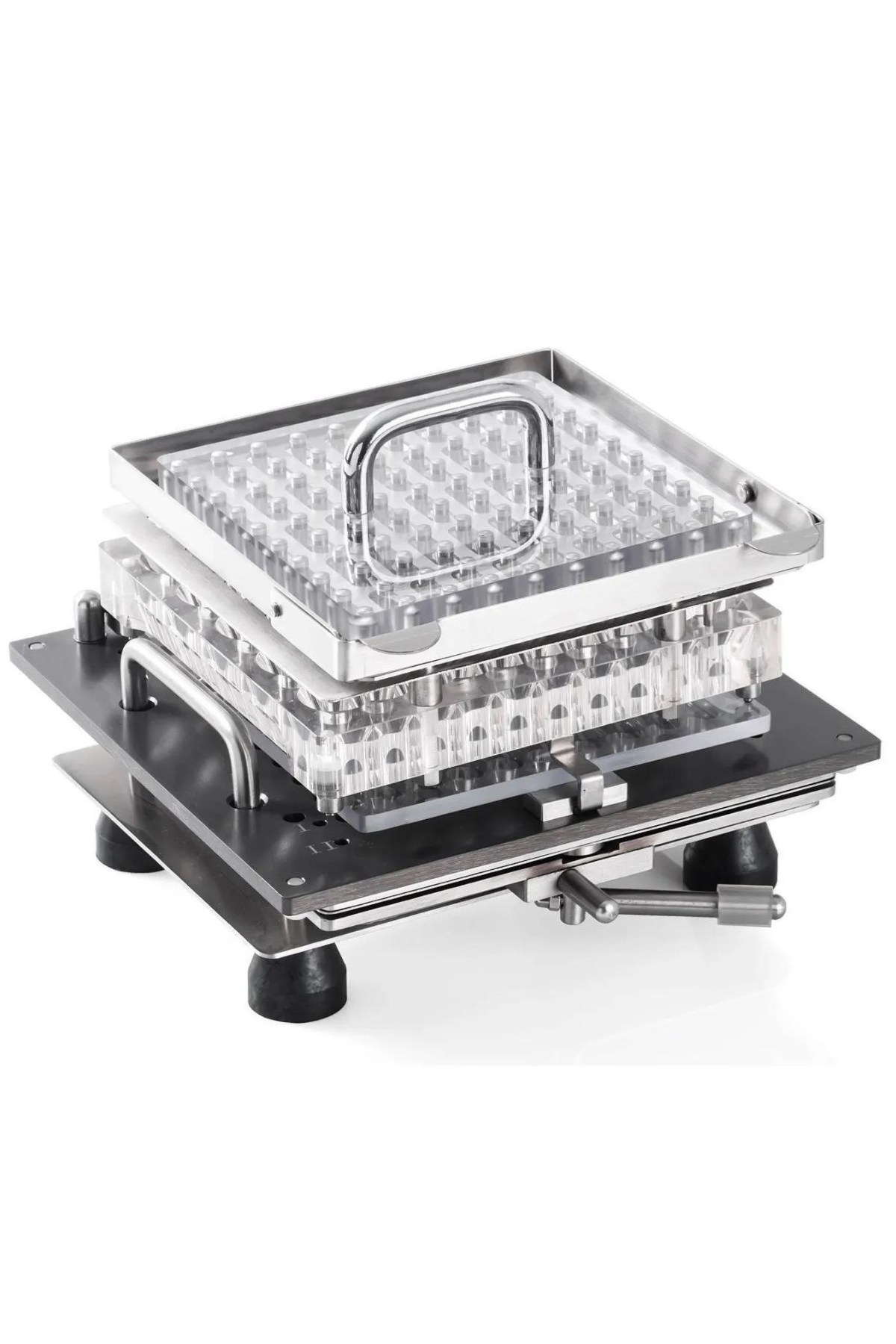
For small-scale supplement manufacturing, the most common starting point is a manual or semi-automatic capsule filling machine.
Option 1: Manual Capsule Filling Machine
A manual capsule filling machine is usually the best choice when:
- You are launching your first supplement product
- Your batches are relatively small
- You want to keep startup costs low
- You are still learning your formulation and workflow
Manual capsule fillers are simple, compact, and easy to operate. They are ideal for pilot production, low-volume batches, and brands that want to test demand before upgrading.
Explore manual capsule filling machines: Manual Capsule Filling Machines
Option 2: Semi-Automatic Capsule Filling Machine
A semi-automatic capsule filling machine makes sense when:
- You already have stable orders
- You need higher output with lower labor cost
- You want better consistency and easier scaling
- You are building a more professional small production room
Semi-automatic machines are often the best bridge between startup operations and a true small production line. They reduce manual labor while still being much more affordable than a full automatic system.
Explore semi-automatic capsule filling machines: Semi-Automatic Capsule Filling Machines
Option 3: Automatic Capsule Filling Machine
An automatic capsule filling machine is typically the right fit only when your volume is high enough to justify the investment. For many early-stage brands, this is a future upgrade rather than a starting point.
Still, it is useful to understand the long-term path from manual to semi-auto to automatic. That way, you build your small-scale manufacturing system with a clear upgrade roadmap instead of starting over later.
See automatic capsule filling machine options: Automatic Capsule Filling Machines
Step 5: Secure a Reliable Capsule Supply
Your machine is only half the equation. The other half is choosing capsules that run consistently and match your product positioning.
When selecting empty capsules, consider:
- Material: gelatin, HPMC, or pullulan
- Size: 000, 00, 0, 1, 2, etc.
- Compatibility: how well they run on your filler
- Brand image: vegan, clean-label, transparent, colored, enteric or delayed-release options
New brands often focus only on ingredient sourcing, but capsule quality affects both production efficiency and customer experience. Poor capsule consistency can slow filling, increase waste, and create unnecessary troubleshooting.
Browse empty capsules for supplement production: Buy Empty Capsules
Step 6: Plan the Basic Equipment Around the Capsule Filler
Small-scale supplement manufacturing is not just about one machine. Even a simple setup needs supporting tools and workflow.
Your basic equipment stack may include:
- Capsule filling machine
- Weighing equipment for raw materials and blends
- Powder mixing tools or small mixers
- Stainless steel trays, containers, scoops, and funnels
- Bottle filling, counting, or packaging tools depending on how finished products are packed
- Labeling and sealing equipment as production becomes more standardized
You do not need to automate everything from day one. The smarter approach is to build a lean but expandable production workflow. Start with the minimum setup that gives you control and consistency, then upgrade the bottlenecks as your output grows.
Step 7: Set Up a Clean, Organized Production Space
Even if your operation is small, your production space should be planned like a real manufacturing environment.
At minimum, your space should support:
- A cleanable surface and floor
- Separation of raw materials and finished goods
- Organized flow from weighing to filling to packaging
- Easy cleaning and maintenance of equipment
- Controlled storage for capsules, ingredients, and labels
Think in terms of flow:
- Raw material receiving and storage
- Weighing and blending
- Capsule filling
- Bottling or packaging
- Finished goods storage
You do not need a giant facility to start. But you do need a space that supports repeatable, organized production.
Step 8: Build Your SOPs and Batch Records Early
If you want your operation to grow, do not wait until later to build documentation.
Even a small supplement manufacturing setup should begin creating:
- Standard Operating Procedures (SOPs)
- Batch production records
- Cleaning logs
- Equipment maintenance logs
- Ingredient and capsule lot tracking
This does two important things:
- It improves consistency immediately
- It makes future GMP-readiness much easier
The brands that scale most smoothly are usually the ones that start building discipline early, not the ones that wait until they “become big enough.”
Step 9: Build for Your Next Stage, Not Just Today
The best small-scale supplement manufacturing setup is not always the cheapest one. It is the one that solves your needs today without trapping you tomorrow.
That means asking:
- What will happen if sales double in 6 months?
- Which process will become my bottleneck first?
- Will I need to move from manual to semi-automatic equipment soon?
- Can my current capsule and packaging choices support future growth?
This is why many growing brands follow a staged path:
- Stage 1: Manual capsule filling + empty capsules + simple packaging
- Stage 2: Semi-automatic capsule filling + better process control + basic line flow
- Stage 3: Automatic capsule filling + integrated bottling and packaging line
When you think in stages, you make better decisions. You stop asking, “What is the cheapest machine?” and start asking, “What is the smartest next step for my production growth?”
Common Mistakes to Avoid When Starting Small-Scale Supplement Manufacturing
- Buying equipment before calculating batch volume
- Choosing machines based only on price
- Ignoring capsule compatibility and quality
- Skipping documentation in the early stage
- Building no upgrade path from manual to larger-scale production
- Trying to automate everything too early
Successful small-scale manufacturing is not about buying the biggest system on day one. It is about matching the right equipment and workflow to your current stage while keeping your next stage in view.
Why Leadlife Health Is Built for This Journey
Leadlife Health is not just here to sell a machine. We help supplement brands move from idea to pilot production to scalable manufacturing.
That means helping you think through:
- Which capsule filling setup matches your actual stage
- Whether manual or semi-automatic equipment is the better choice
- Which capsule types and sizes work best for your product
- How to build a practical path from startup production to a real line
Whether you are filling your first capsules or preparing for your next production upgrade, the goal is the same: build a system that works now and supports where your brand is going next.
- Browse manual capsule filling machines for lean startup production.
- Explore semi-automatic capsule fillers for growing supplement brands.
- View automatic capsule filling machines for higher-volume operations.
- Shop bulk empty capsules that work with your production setup.
FAQ: How to Start Small-Scale Supplement Manufacturing
What is the best way to start small-scale supplement manufacturing?
For most new brands, the best way to start small-scale supplement manufacturing is with capsules, a reliable supply of empty capsules, and either a manual or semi-automatic capsule filling machine depending on batch size and budget. This keeps the process manageable while allowing room to scale.
How much does it cost to start small-scale supplement manufacturing?
The cost depends on whether you start with manual or semi-automatic equipment, the size of your production space, and how much of the packaging process you want to handle in-house. Many brands start lean and expand their setup in stages instead of buying a full automated line upfront.
Should I start with a manual or semi-automatic capsule filler?
A manual capsule filler is usually the better choice for smaller batches, lower budgets, and early-stage product testing. A semi-automatic capsule filling machine is a better fit once you have more stable orders and need higher output with less labor.
Do I need a full production line to start making supplements?
No. Most small brands do not need a full production line at the beginning. A smart small-scale setup often starts with capsule filling, basic weighing and mixing, and simple packaging tools, then expands as demand increases.
Can I start supplement manufacturing and still scale later?
Yes. In fact, that is the ideal approach. The key is to choose equipment and workflows that fit your current stage while leaving a clear path to move from manual to semi-automatic and eventually to more automated production.